LEGO® SERIOUS PLAY® METHODOLOGY
build what is difficult to put into words.
Some organisational questions are difficult to explore through conversation alone. The LEGO® SERIOUS PLAY® methodology gives people a structured way to build, share and examine their perspectives.
WHERE IT IS USEFUL
a different way to work with complex questions.
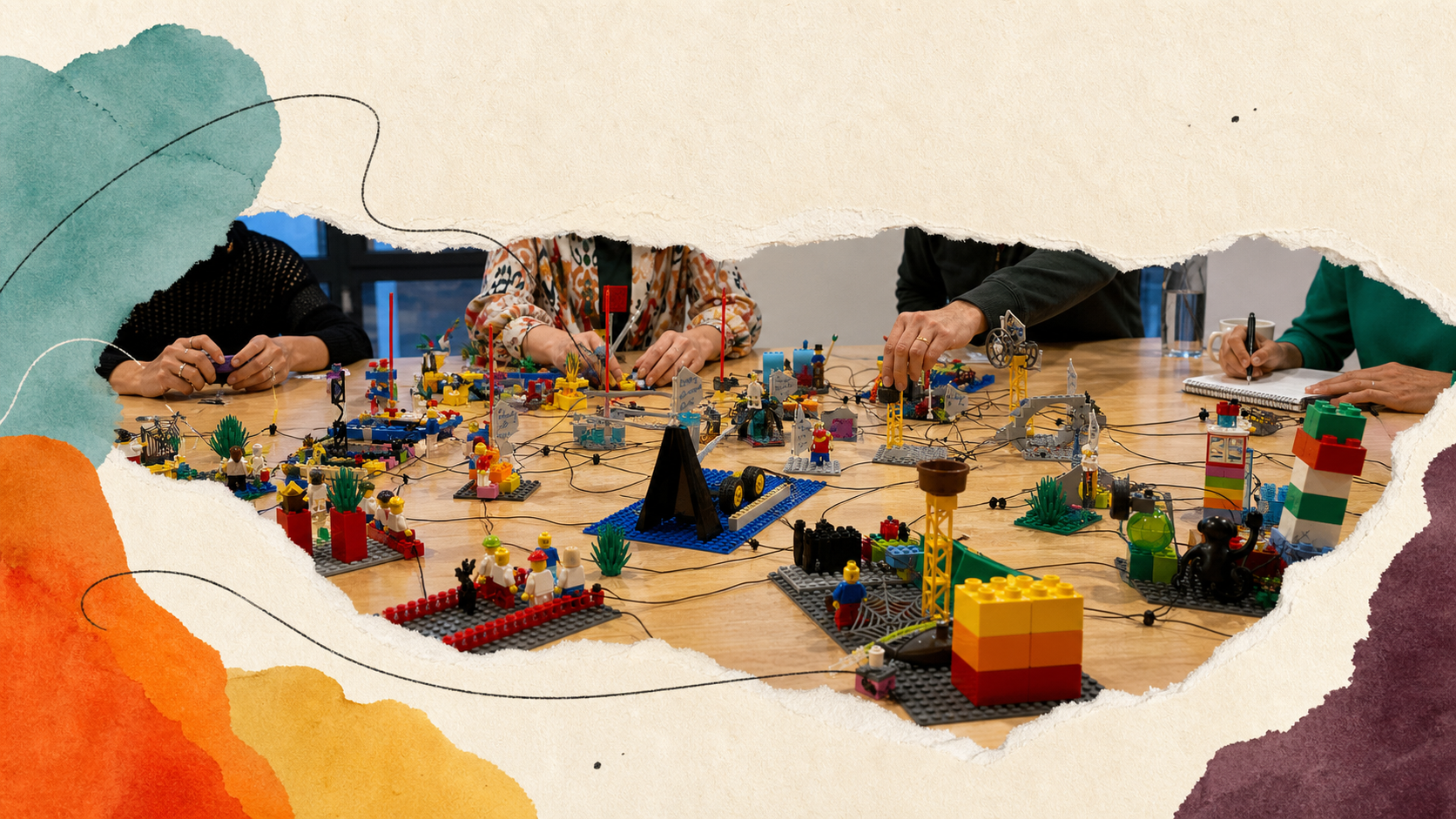
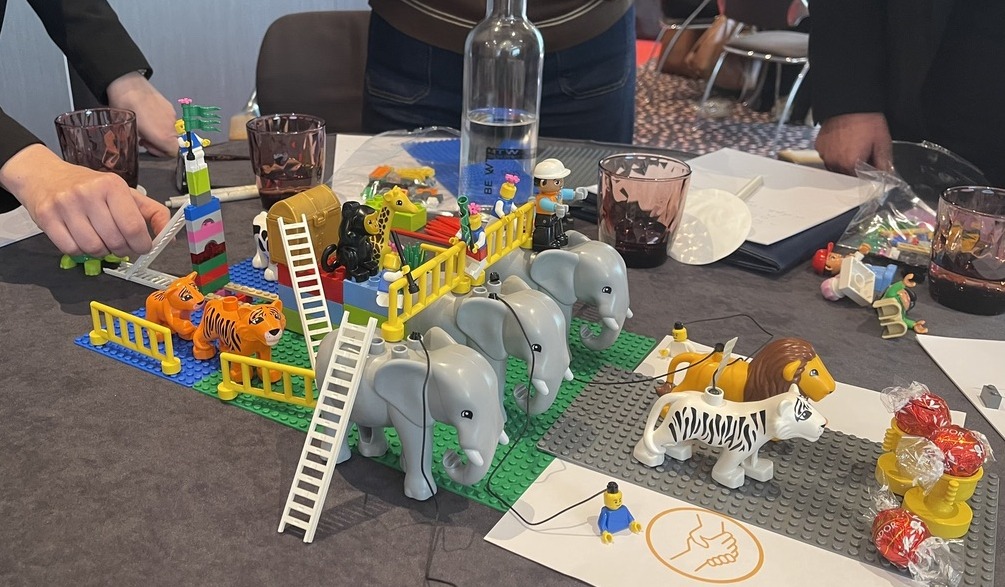
Organisations commission a workshop when a question matters, involves several perspectives, and has proved hard to resolve through meetings and discussion.
strategy and direction
Make different interpretations of purpose and priorities visible before agreeing a shared view.
culture and values
Translate abstract intentions into observable, everyday behaviours.
teams and alignment
Understand different perspectives and build stronger shared ownership.
change and complexity
Externalise a difficult challenge and explore possibilities discussion alone may not reveal.
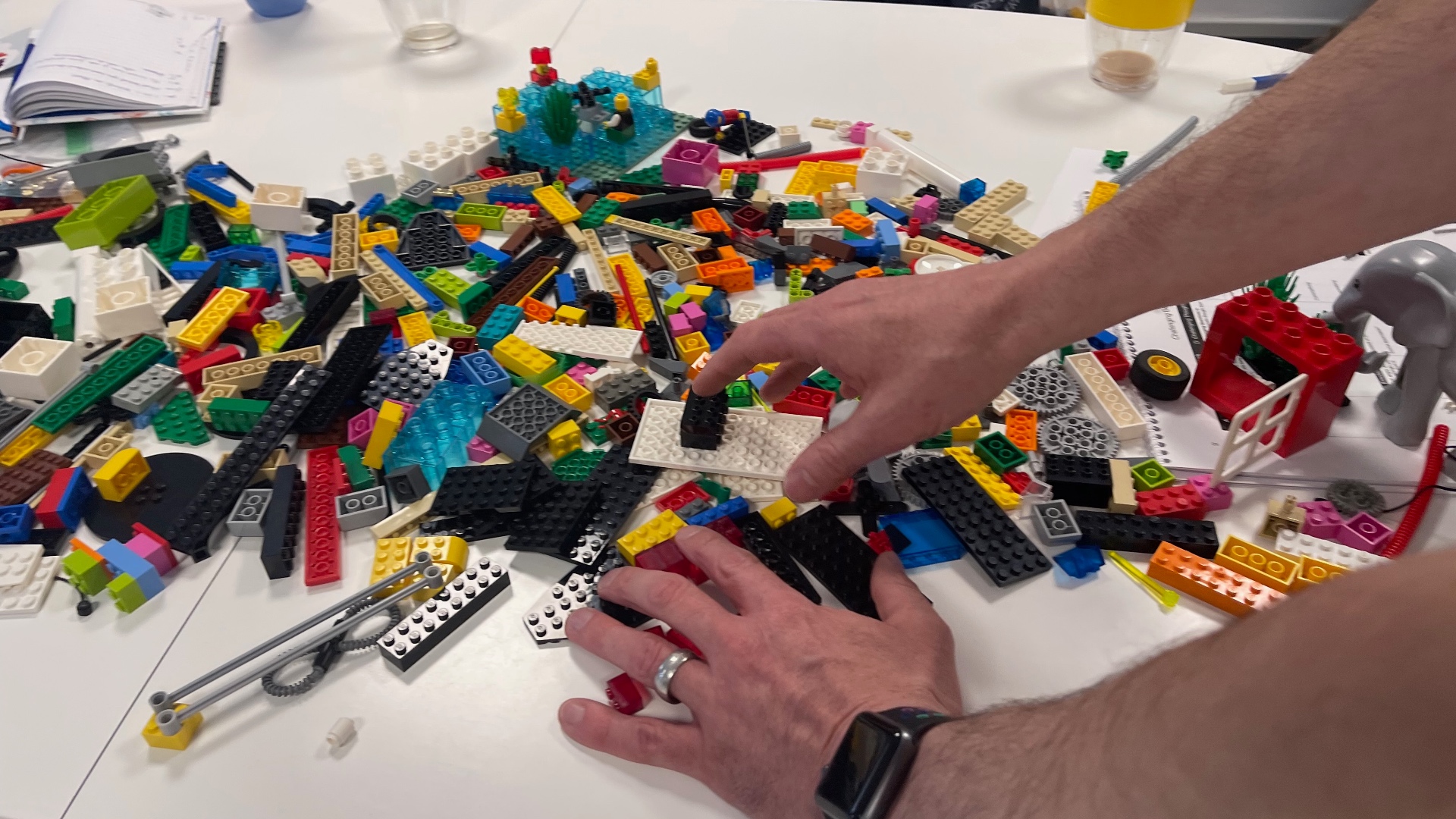
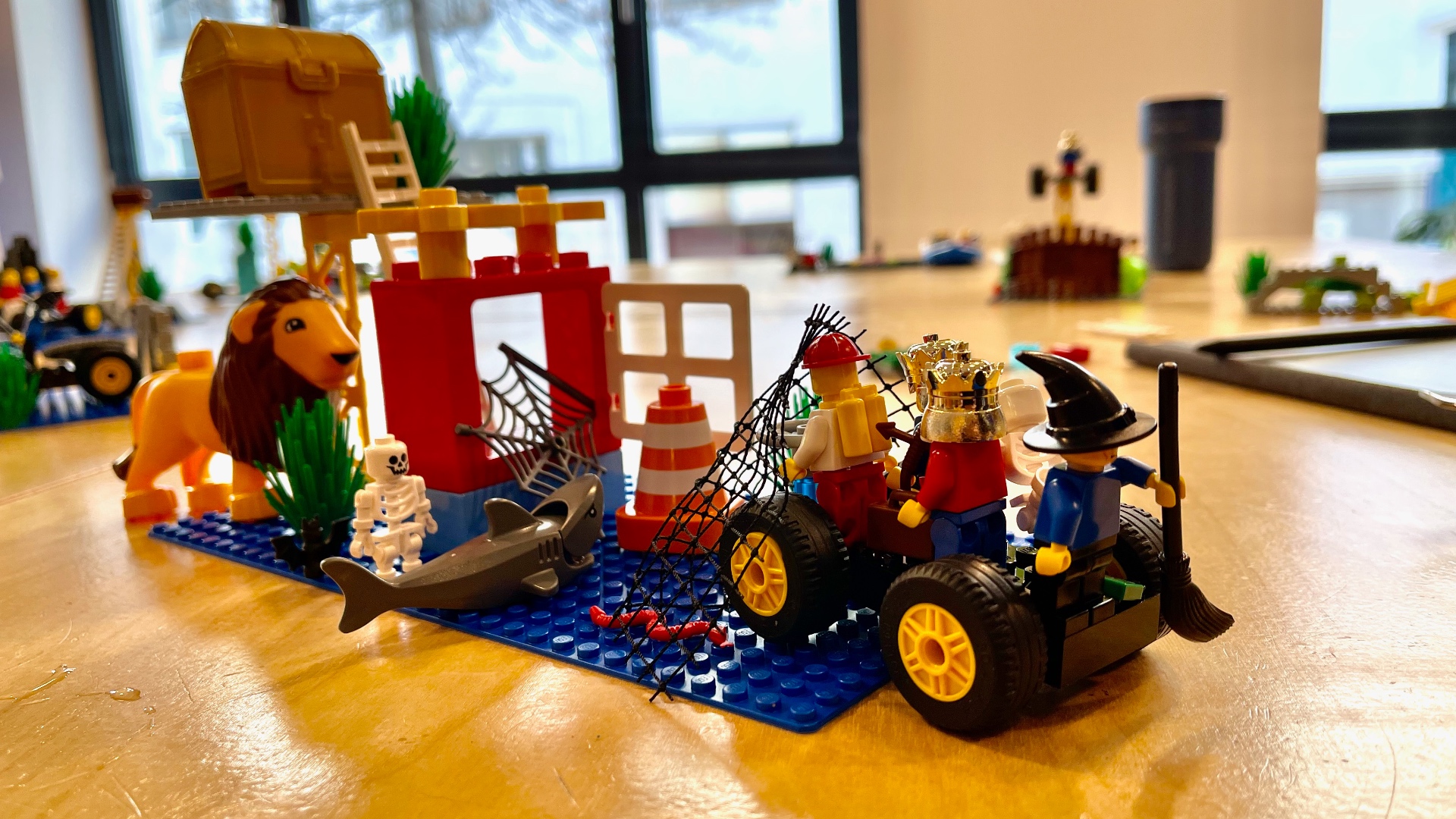
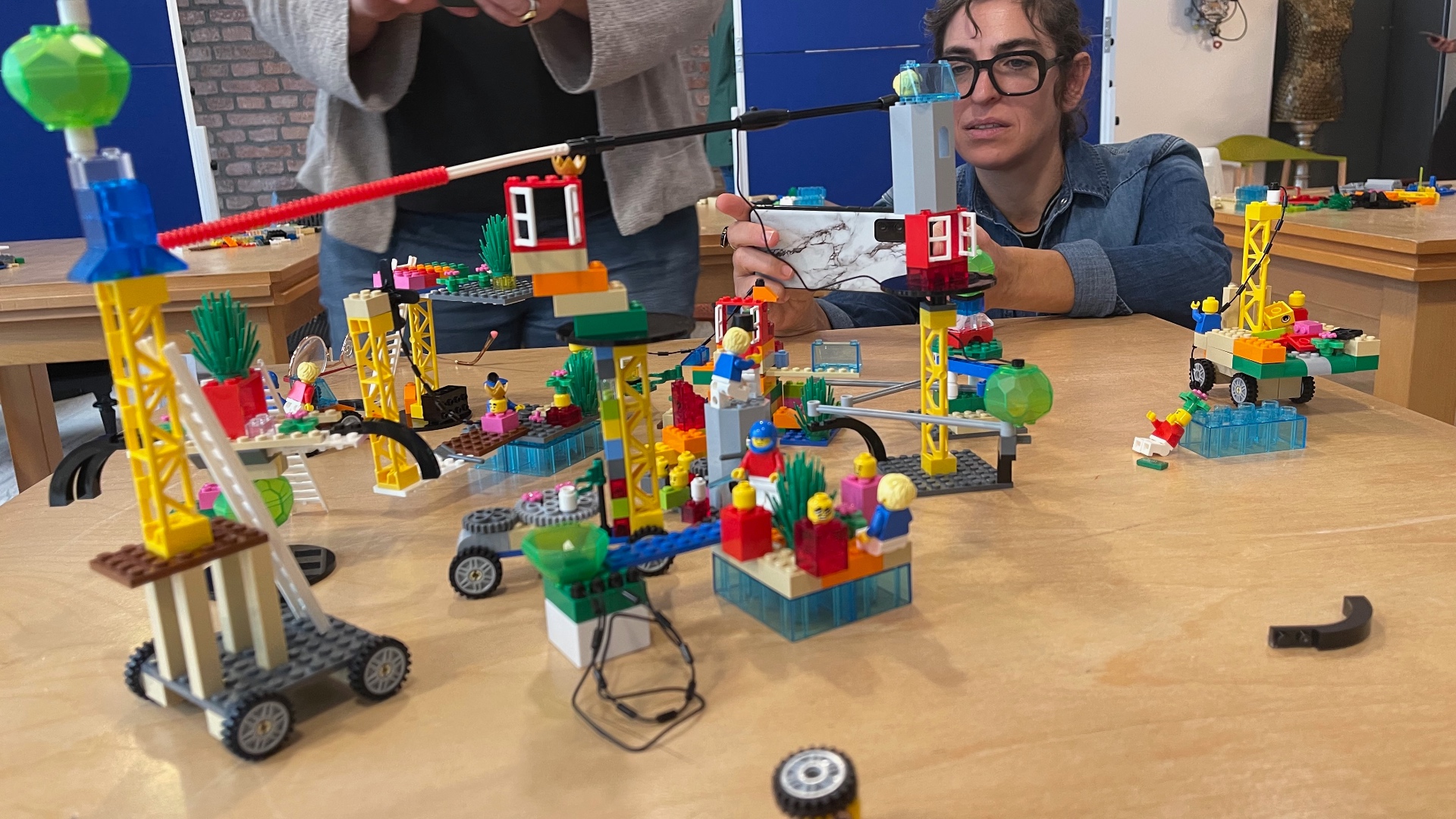
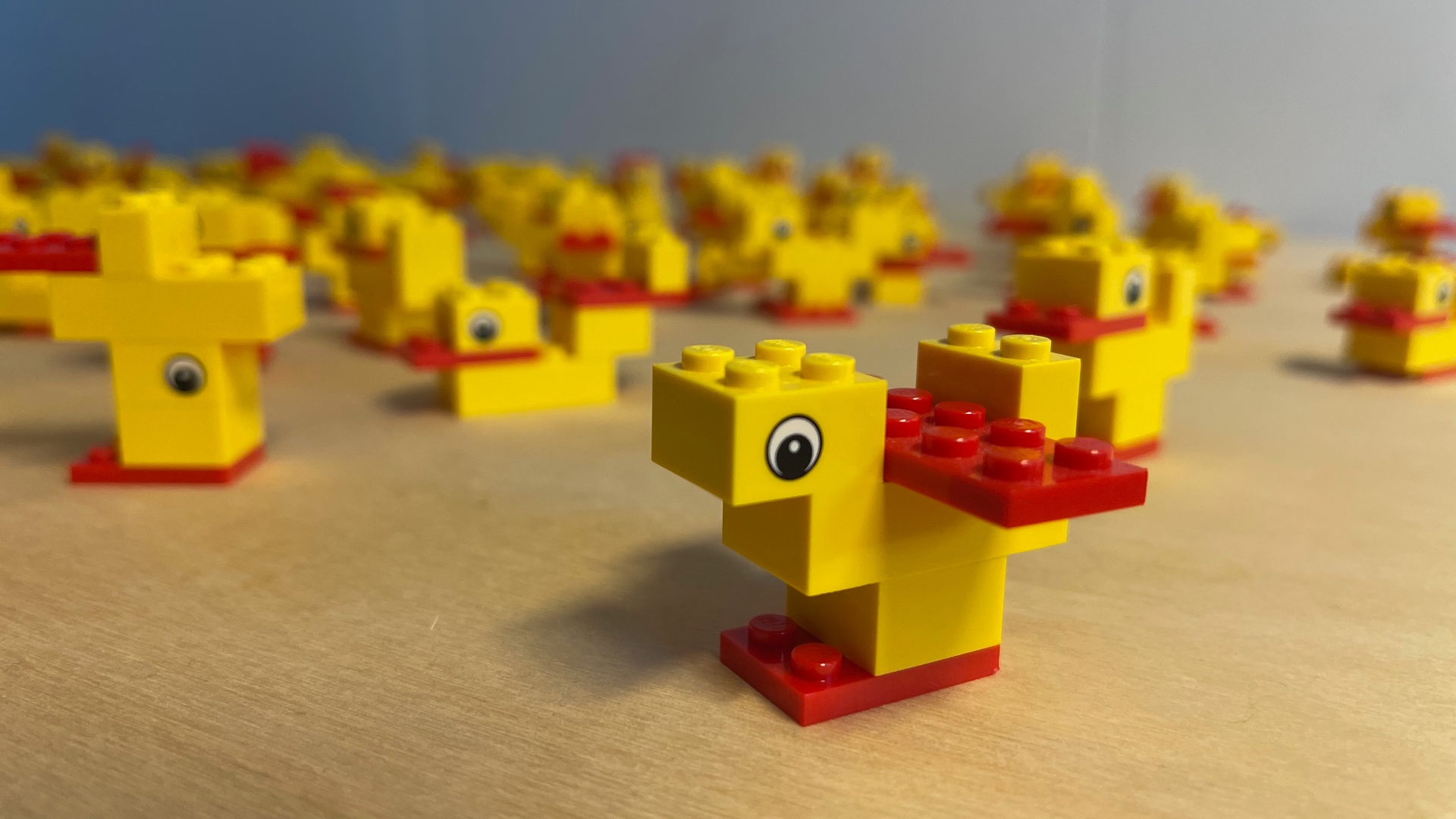
IN THE ROOM
what a workshop actually feels like.
THE PROCESS
from an individual perspective to shared understanding.
A structured facilitation methodology designed around a clear organisational purpose—not an unstructured play session.
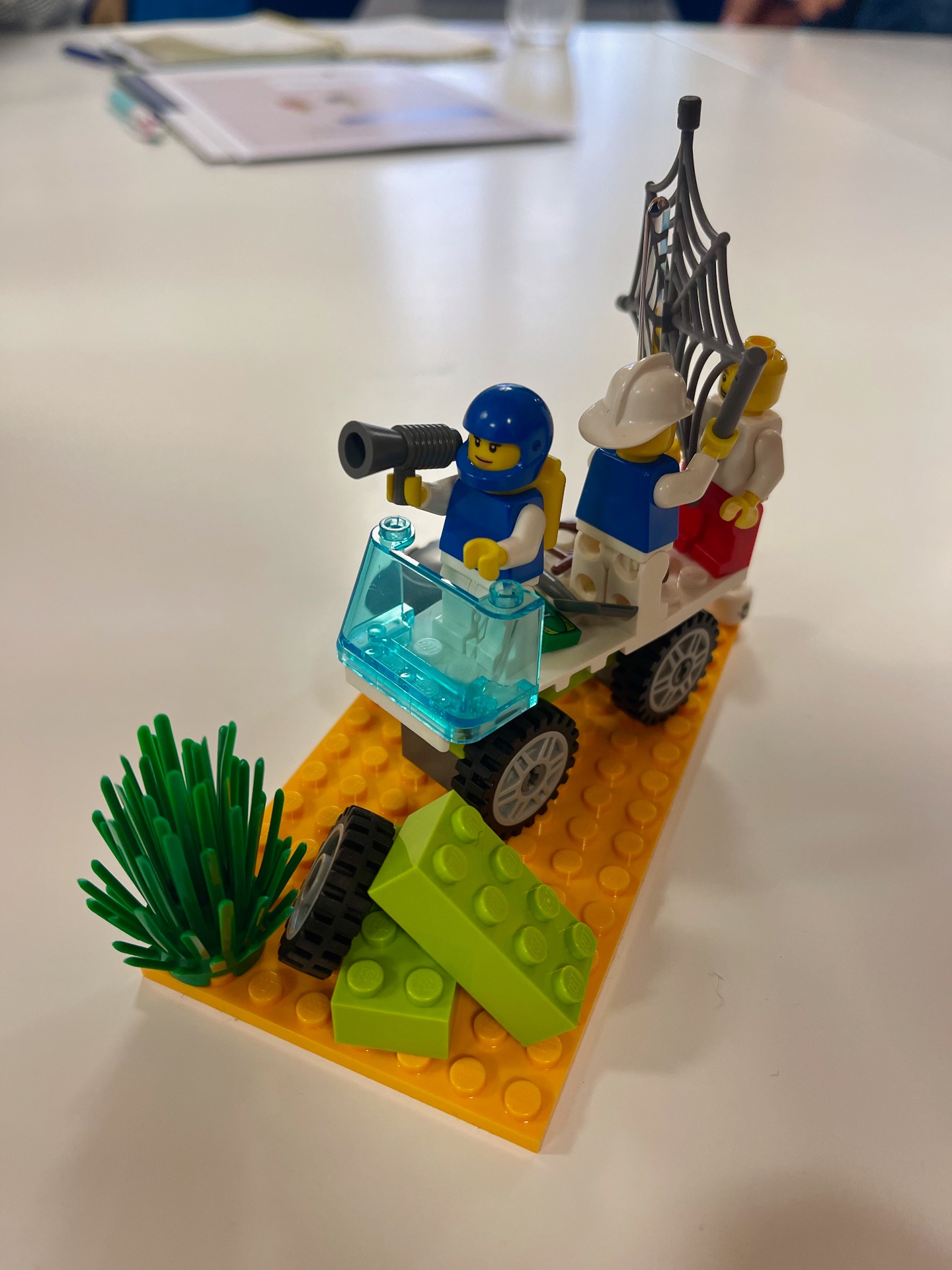
The methodology moves through six stages: question, build, share, explore, connect and act.
Question
A carefully designed build challenge, connected to the purpose of the workshop.
Build
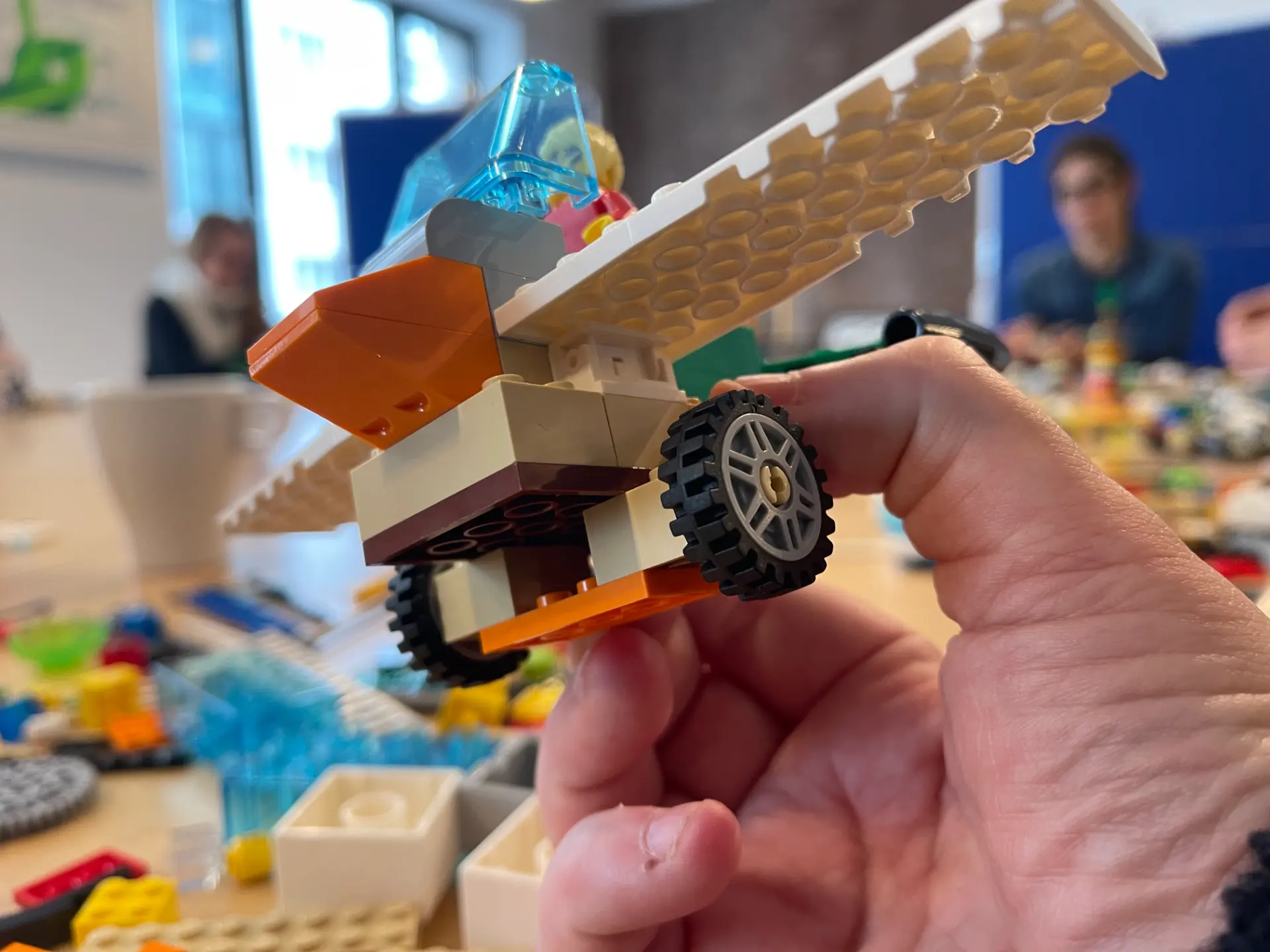
Each participant constructs a model using bricks, metaphor and spatial relationships.
Share
Participants explain their own models—the builder decides what the model means.
Explore
Questions focus on the models and the ideas they hold, opening different perspectives.
Connect
Models are linked to explore relationships, dependencies and patterns.
Act
The group identifies shared understanding, principles, choices or next steps.
the bricks are a medium—not the purpose of the work.
01
thinking becomes visible
A model holds an idea outside the head, where it can be examined.
02
everyone builds, everyone speaks
Airtime is structural, not competitive.
03
the object holds the tension
Difficult ideas can be questioned without the person feeling questioned.
INCLUSIVE PARTICIPATION
more than one way to think and contribute.
Building before speaking gives people time to think, rather than rewarding whoever answers fastest.
Accessibility is designed, not assumed: participants, sensory environment, space, communication needs and pacing are considered before a workshop begins—though individual experiences vary and no method is universally accessible.
LEARNING AND EVIDENCE
still researching why it works.
Susan’s developing work draws on research relating to embodied cognition, externalised thinking, attention, metaphor and collective sense-making—currently taking shape as an article, How the Bricks Work: What Neuroscience Is Revealing About LEGO® SERIOUS PLAY®.
This is a practitioner-focused synthesis of related research, not an experimentally validated neurocognitive model of LEGO® SERIOUS PLAY® itself. Individual experiences will vary.
PUBLISHED WRITING
featured in The LSP Magazine.
An ongoing body of published work on practice, ethics and the craft of facilitation.
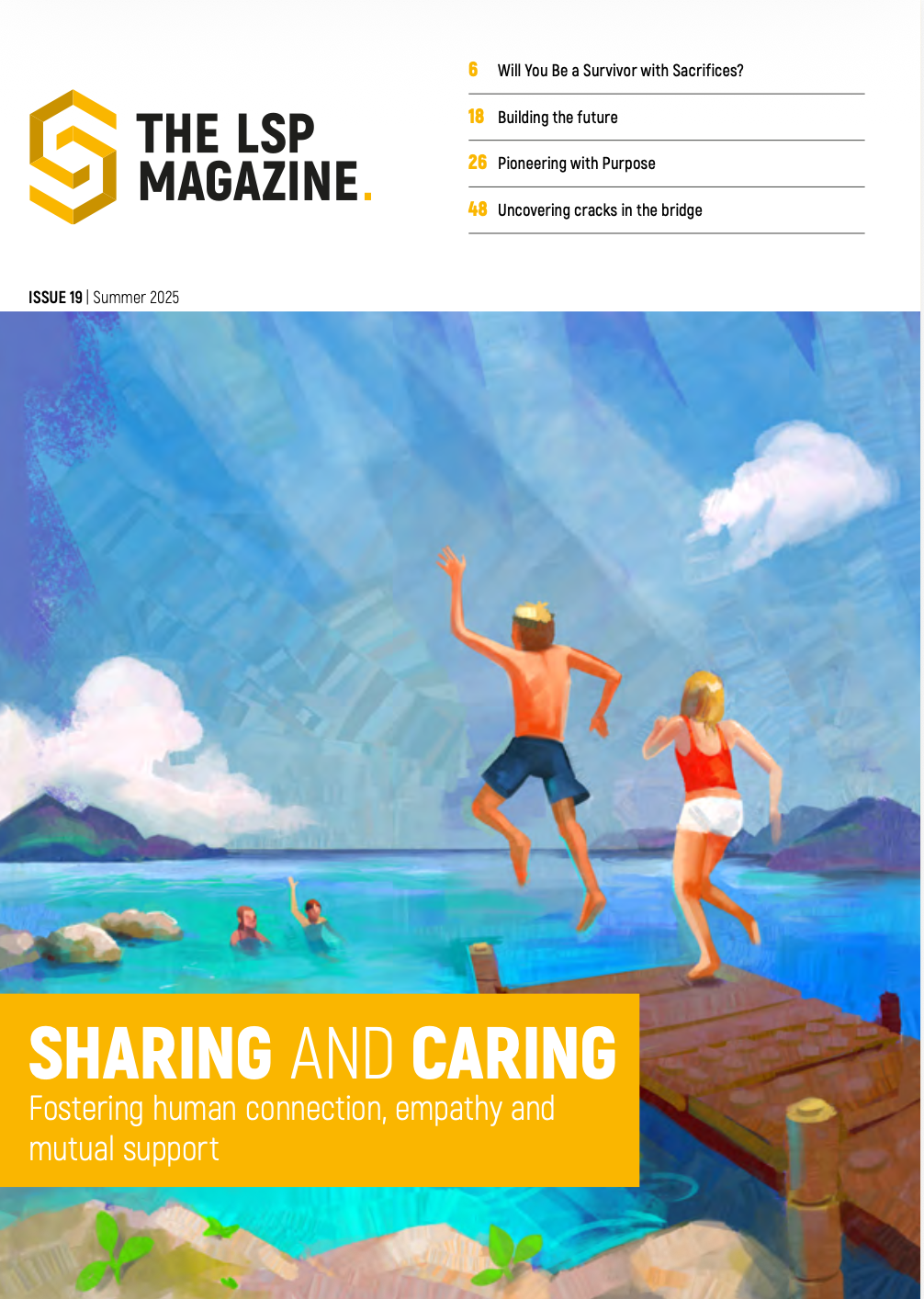
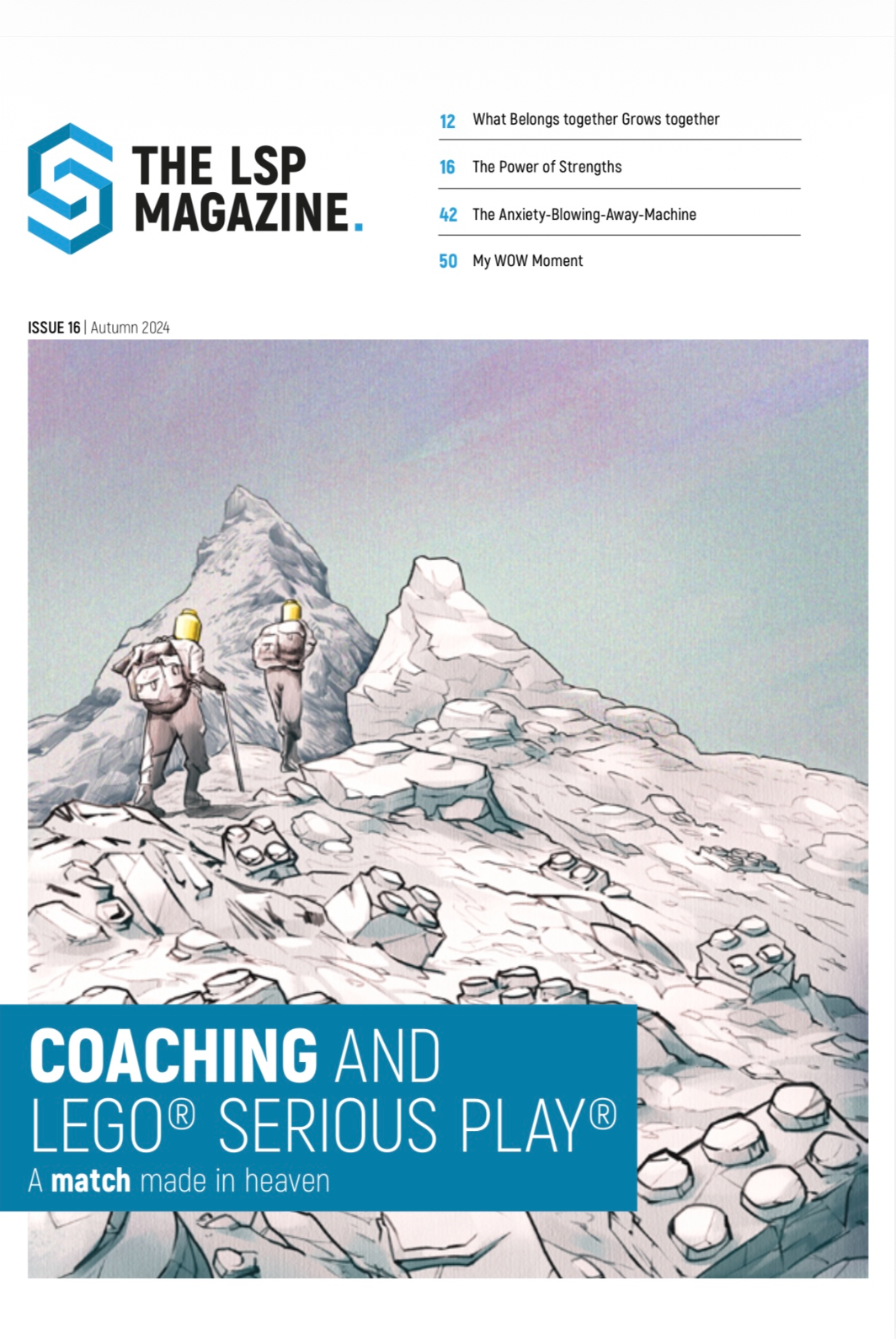
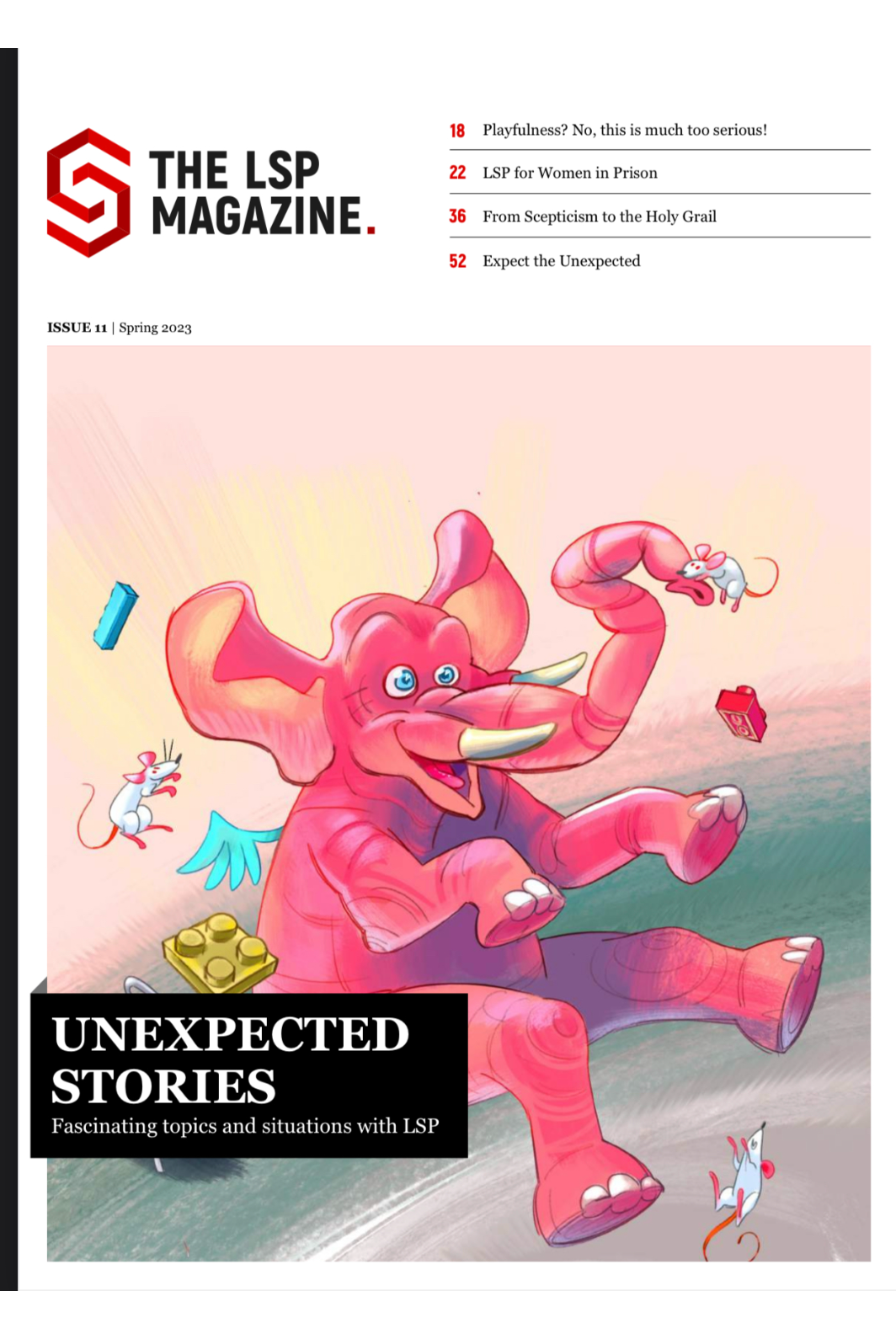
what could your group understand by building it?
- focused session
- half-day workshop
- full-day workshop
- connected programme
Every engagement begins with a discovery conversation to clarify the organisational question, participants, accessibility needs and desired outcomes.
LEGO, SERIOUS PLAY, the Minifigure and the Brick and Knob configurations are trademarks of the LEGO Group, which does not sponsor, authorise or endorse this website.