
Leadership & team capability
practical skills for leading people.
Workshops and programmes that strengthen self-awareness, communication, feedback, collaboration and decision-making under pressure.
LEARNING & WORKSHOPS
Create Connection designs learning around what people need to understand and do differently — shaped for the organisation, the group and the time available.

MORE THAN PRESENTATION
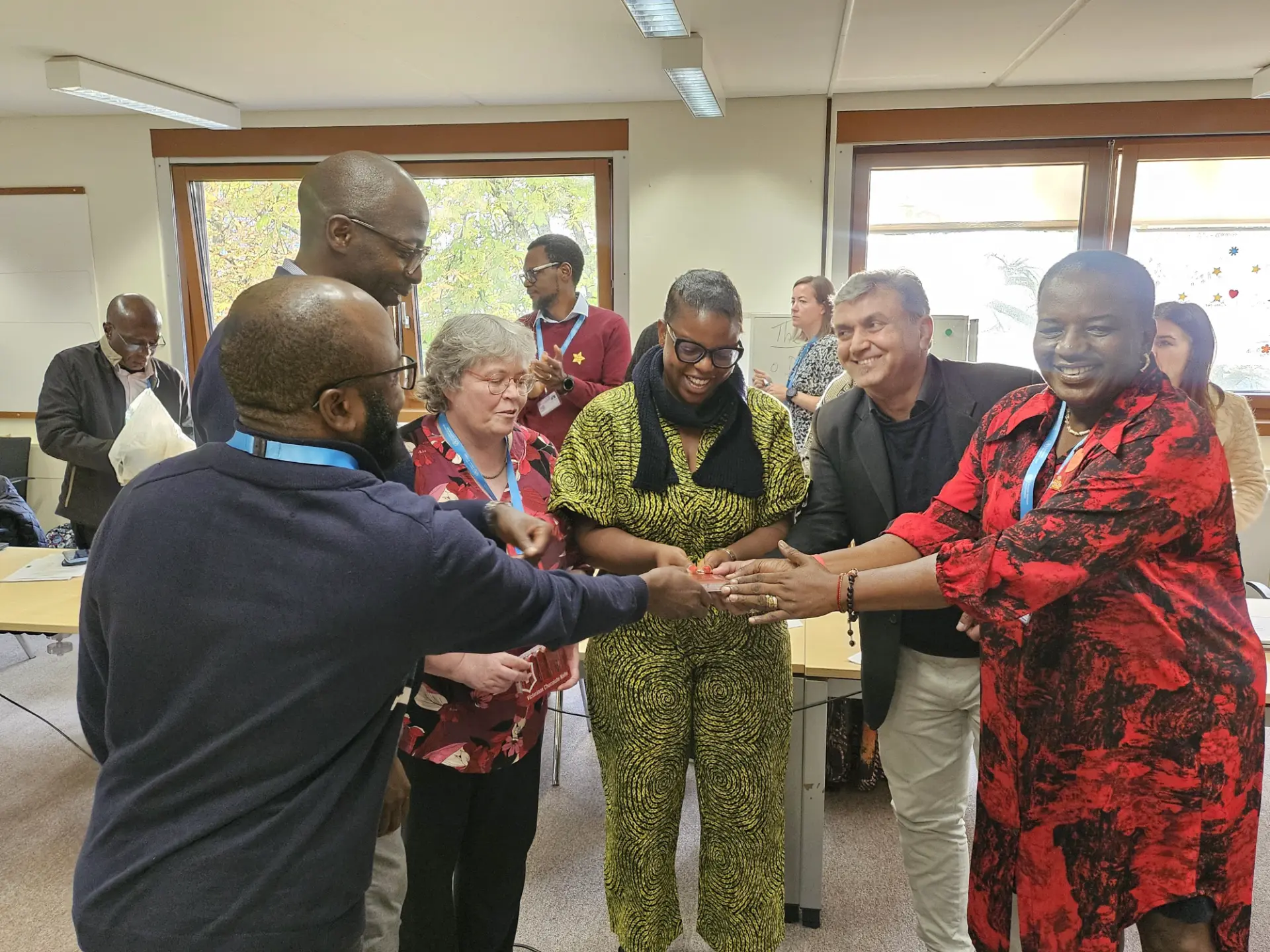
Learning can combine concise input with conversation, reflection, scenarios, visual methods, gamified activities and hands-on experiences. The approach is chosen for what people need to learn — not the other way around.
01
Experience
scenarios, simulations and hands-on methods
02
Explore
questions, cases and collaborative challenges
03
Reflect
feedback, conversation and making thinking visible
04
Apply
testing ideas and connecting learning to real work
WHAT LEARNING CAN SUPPORT
Leadership & team capability
Workshops and programmes that strengthen self-awareness, communication, feedback, collaboration and decision-making under pressure.

Inclusion & neuroinclusion
Learning that helps managers and teams understand how people think, process and work differently — and what they can do differently as a result.
Culture & ways of working
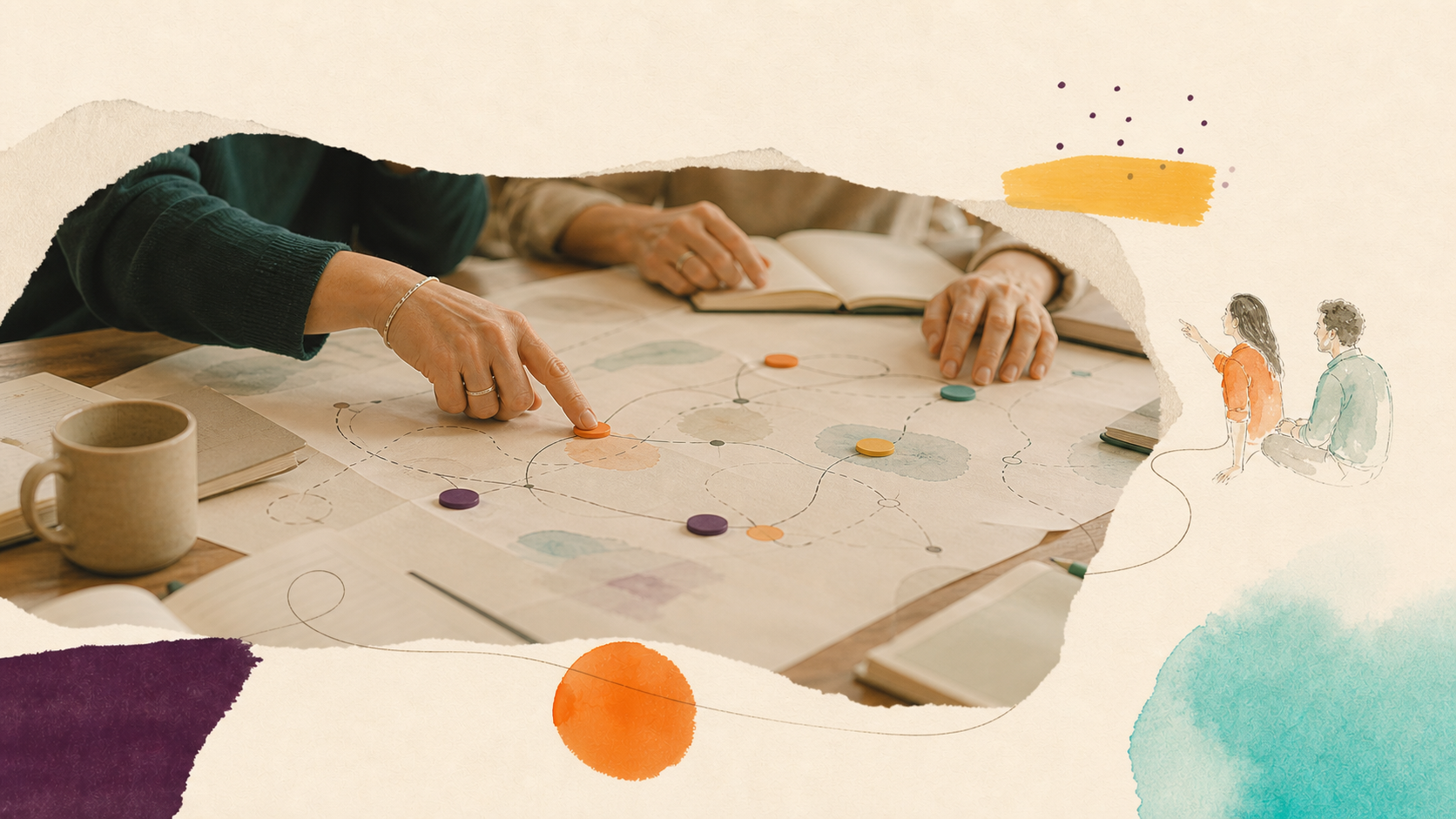
Learning that helps people translate purpose, values and agreed behaviours into the conversations, decisions and routines of everyday work.
Change & organisational capability
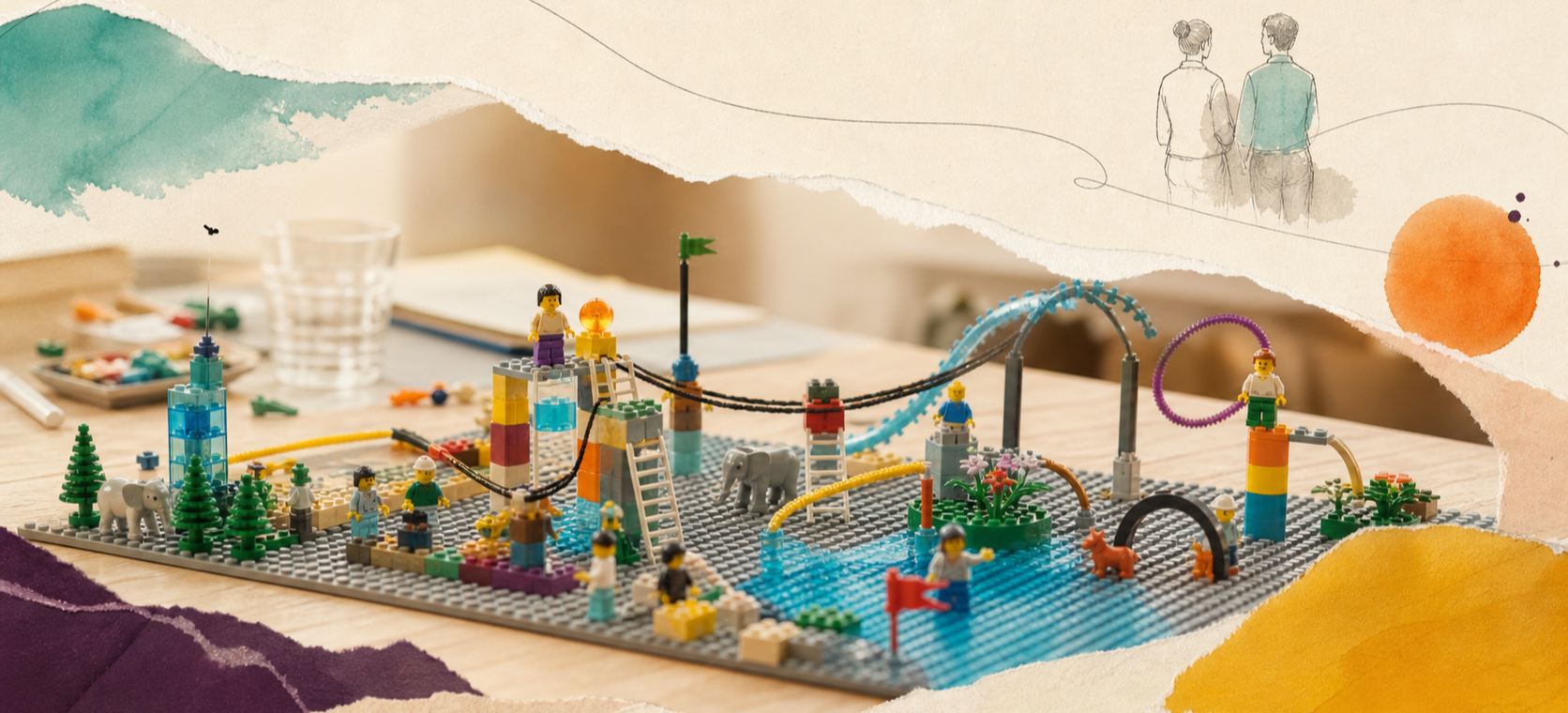
Learning designed to build the understanding, confidence and practical capability needed when organisations, roles or ways of working are changing.
HOW LEARNING IS DESIGNED
A four-stage learning design approach: agree the purpose, design the session, let people participate, and connect the learning to real work.
Purpose
Agree what people need to understand or be able to do differently.
Design
Choose the input, activities and interactive elements that fit the purpose and participants.
Participate
People explore, test ideas, reflect and make their thinking visible.
Apply
Connect learning to real work through reflection, follow-up and practical commitments.
WAYS TO ENGAGE
01
A focused session on one capability or topic, designed for an existing team or mixed group.
02
A connected series of sessions that builds capability over time, with practice between modules.
03
Shared learning for a group of leaders, building a common language and set of practices.
04
Development designed to support culture, inclusion or organisational change already underway.
Learning builds capability. Facilitation helps a group work through a live question. Some engagements combine both.
Not sure which fits? Start with the challengeTell us what you want people to understand or do differently, and we can shape an approach around it.
LEGO, SERIOUS PLAY, the Minifigure and the Brick and Knob configurations are trademarks of the LEGO Group, which does not sponsor, authorise or endorse this website.